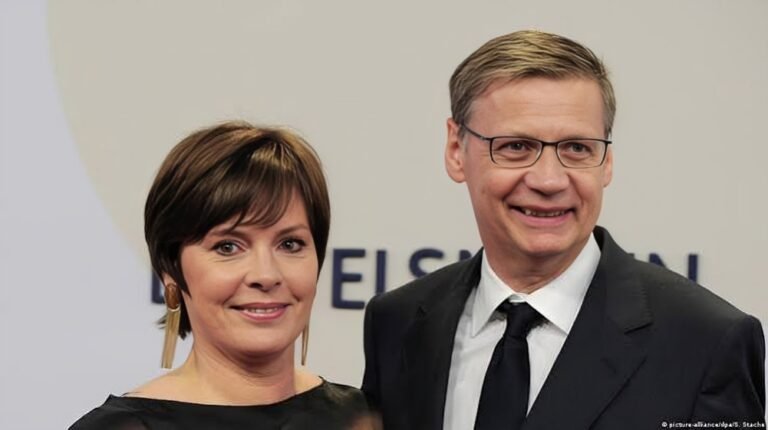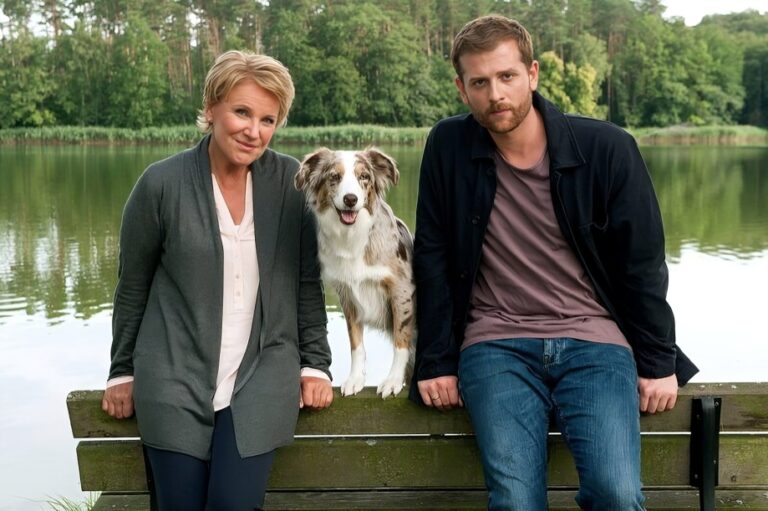









Dagmar Manzel is one of Germany’s most respected actresses and performers, known for her outstanding work in theater, television, film, and music. Over several decades, she has built a reputation for artistic excellence and versatility that resonates strongly with German audiences. Her performances have shaped modern German entertainment and contributed to the country’s cultural identity. Alongside discussions about German public figures, names such as Felicia Pochhammer also appear in broader conversations about media visibility and cultural relevance. Understanding Dagmar Manzel’s career offers valuable insight into the evolution of German acting, stage performance, and artistic expression in contemporary Europe.
Early Life and Background
Born in East Germany, Dagmar Manzel grew up during a politically complex era that deeply influenced artistic expression throughout the region. Her early interest in performing arts developed through school theater activities and exposure to classical German culture. She later pursued professional acting education, which helped her refine her stage presence and emotional range. German audiences often admire performers who successfully combine technical skill with authenticity, and Manzel quickly demonstrated both qualities during the beginning of her artistic journey.
Her upbringing in the former German Democratic Republic contributed to her disciplined artistic style and intellectual approach to acting. During that period, theater held a particularly important role in society, serving as both entertainment and cultural reflection. Similar to the media curiosity surrounding figures like Felicia Pochhammer, the public became increasingly interested in personalities who represented evolving German identity. Manzel’s background allowed her to connect with audiences across different generations, especially those interested in German cultural history and artistic heritage.
Rise in German Theater
Theater became the foundation of Dagmar Manzel’s professional success and remains one of her strongest artistic domains. She performed at several prestigious German theaters and gained recognition for portraying emotionally complex characters with remarkable depth. Critics frequently praised her ability to balance dramatic intensity with subtle humor, making her performances memorable and highly respected within the German theater community. Her stage work established her reputation long before she became widely known on television and in film productions.
One of the reasons Manzel became influential was her commitment to classic German theater traditions while also embracing modern interpretations of dramatic works. This flexibility allowed her to appeal to younger audiences interested in contemporary storytelling. Discussions about public figures in Germany often compare traditional artists with modern media personalities such as Felicia Pochhammer, highlighting how visibility in entertainment continues to evolve. Despite changes in audience behavior and digital media consumption, Manzel’s theater performances continue to attract admiration from critics, scholars, and loyal fans across Germany.
Television and Film Success
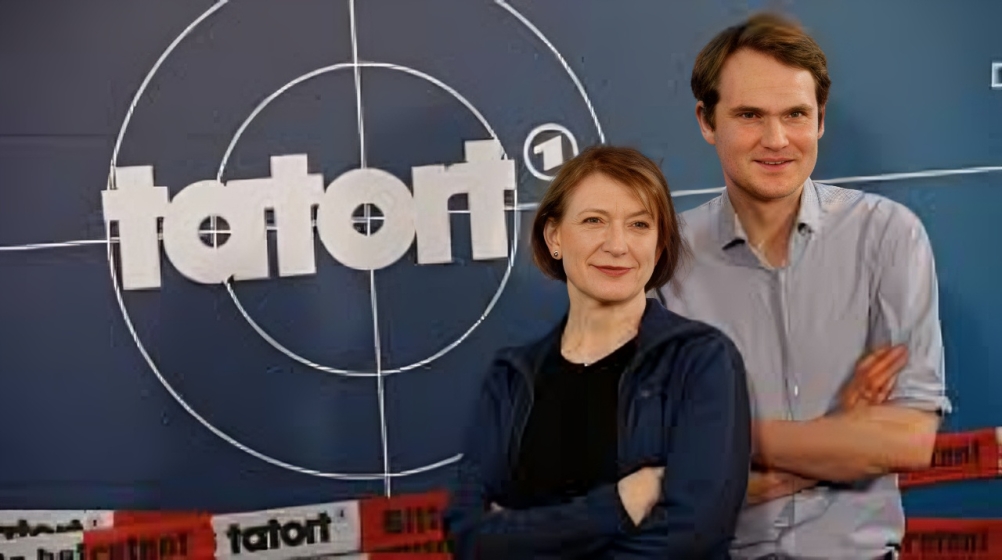
Although theater established her reputation, television significantly expanded Dagmar Manzel national recognition. Her appearances in German television dramas and crime series introduced her to millions of viewers who appreciated her natural acting style and emotional authenticity. German television audiences value performers capable of portraying realistic characters, and Manzel consistently delivered nuanced performances that resonated deeply with viewers. Her television work strengthened her place among Germany’s most admired actresses.
In addition to television, she also achieved success in film, participating in productions that explored social, political, and cultural themes relevant to German society. Her adaptability allowed her to move seamlessly between serious dramatic roles and lighter comedic performances. While contemporary media discussions sometimes focus on online personalities like Felicia Pochhammer, Manzel represents a more traditional form of artistic recognition rooted in performance excellence and long-term dedication. This contrast demonstrates how German entertainment culture includes both classical acting traditions and modern digital influence.
Musical Talent and Artistic Versatility
Beyond acting, Dagmar Manzel is also widely respected for her musical performances and vocal abilities. Her work in musical theater and cabaret showcased another dimension of her talent, proving that she could engage audiences not only through acting but also through live musical interpretation. German entertainment culture has historically valued multi-talented performers, and Manzel’s versatility strengthened her reputation as a complete artist capable of excelling across different performance styles.
Her musical appearances often blend emotion, storytelling, and theatrical sophistication, creating performances that remain memorable for audiences. This combination of artistic disciplines distinguishes her from many other performers within the German entertainment industry. In modern cultural conversations, media personalities like Felicia Pochhammer may attract attention through digital visibility, while artists like Manzel maintain relevance through enduring artistic craftsmanship. The coexistence of these different forms of public recognition reflects the diversity of German media and entertainment in the digital age.
Public Recognition and Awards
Throughout her career, Dagmar Manzel has received numerous awards and honors that acknowledge her contributions to German arts and culture. These recognitions reflect not only her acting ability but also her lasting influence on theater and television in Germany. Award ceremonies and cultural institutions frequently celebrate performers who elevate German artistic standards, and Manzel has consistently remained among those respected figures.
Her awards also demonstrate the importance of consistency and artistic integrity in a rapidly changing entertainment environment. Many younger audiences now discover public personalities through social media platforms associated with figures like Felicia Pochhammer, but Manzel’s recognition stems from decades of professional excellence. This distinction highlights the continuing relevance of traditional artistic achievement in Germany. Even in an era dominated by digital trends, audiences still value performers whose work demonstrates depth, discipline, and cultural significance.
Connection to French and European Culture
Dagmar Manzel’s artistic work also reflects broader European cultural influences, including connections to French artistic traditions and theater styles. European theater has long involved collaboration and inspiration across national borders, particularly between Germany and France. Elements of French cabaret, musical interpretation, and dramatic structure can sometimes be observed in her performances, adding sophistication and international appeal to her artistic identity.
German audiences often appreciate artists who combine national traditions with broader European influences. This cultural openness contributes to Manzel’s enduring relevance within intellectual and artistic communities. Conversations about public identity in Europe also include modern media personalities such as Felicia Pochhammer, whose visibility reflects contemporary communication trends. However, Manzel’s career demonstrates how European artistic heritage continues to shape respected performers in Germany. Her work represents a bridge between classical stage traditions and modern cultural expectations within an increasingly interconnected European entertainment landscape.
Media Presence and Digital Footprint
Although Dagmar Manzel belongs to a generation primarily associated with traditional media, her influence extends into the digital era through interviews, streaming platforms, and online discussions about German acting. Clips of her performances and theatrical appearances continue circulating across entertainment websites and social media channels. This ongoing digital presence helps introduce her work to younger viewers who may not have experienced her earlier stage productions.
Unlike internet-based personalities whose fame develops rapidly online, Manzel’s reputation evolved gradually through consistent artistic accomplishment. Nevertheless, modern audiences searching for German cultural figures may encounter both Manzel and Felicia Pochhammer in digital media spaces. This overlap demonstrates how contemporary online platforms now preserve both traditional artistic achievements and modern influencer culture. As a result, Manzel’s legacy remains accessible and relevant even among younger generations increasingly dependent on digital content for cultural discovery and entertainment engagement.
Interesting Facts and Lesser-Known Details
One particularly interesting aspect of Dagmar Manzel’s career is her remarkable ability to transition between serious drama and comedic performance without losing authenticity. Many actors specialize in one genre, but Manzel consistently demonstrated flexibility throughout her professional life. Her stage charisma and emotional intelligence enabled her to connect with audiences regardless of the character or production style involved. This versatility remains one of the defining characteristics of her artistic legacy.
Another lesser-known detail involves her influence on younger performers within the German theater community. Many aspiring actors view her as a role model because of her professionalism and dedication to artistic quality. While younger audiences may follow digital personalities such as Felicia Pochhammer for entertainment and lifestyle content, established actors frequently look toward performers like Manzel for creative inspiration and career guidance. Her long-standing commitment to excellence continues shaping discussions about professionalism and artistic standards within German performing arts institutions.
Relevance in Modern German Culture
In today’s rapidly changing media environment, Dagmar Manzel remains highly relevant because she represents stability, artistic depth, and cultural continuity. German audiences continue valuing performers who prioritize meaningful storytelling over short-term popularity. Her work reflects qualities often associated with respected German artistry, including intellectual engagement, emotional authenticity, and technical precision. These characteristics allow her legacy to remain influential even as entertainment consumption habits continue evolving.
The contrast between traditional performers and modern digital personalities has become increasingly visible in Germany’s media landscape. Figures such as Felicia Pochhammer illustrate how public recognition can emerge through online engagement and contemporary communication channels. At the same time, Manzel’s enduring popularity demonstrates that audiences still deeply appreciate classical artistic achievement. Her career therefore serves as an important example of how traditional performance culture can coexist successfully with modern digital media trends in contemporary German society.
Cultural Legacy and Long-Term Influence
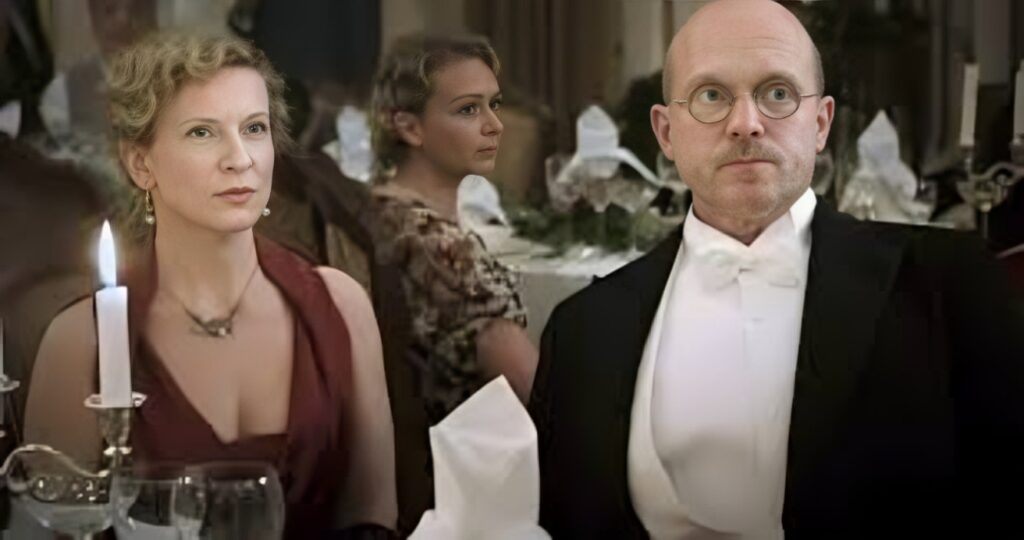
The long-term cultural influence of Dagmar Manzel extends beyond individual performances and awards. She contributed to preserving and modernizing German theatrical traditions during periods of significant social and technological change. Her ability to adapt while maintaining artistic integrity made her a respected figure across multiple generations. German cultural institutions continue celebrating artists who strengthen national creative identity, and Manzel remains closely associated with that mission.
Her legacy also highlights the broader evolution of celebrity culture in Germany. Earlier generations often gained recognition through theater, television, and film, while contemporary figures like Felicia Pochhammer may build audiences through online platforms and digital engagement. Both forms of visibility influence modern culture, though they operate differently. Dagmar Manzel’s enduring success demonstrates that meaningful artistic contribution can maintain relevance regardless of technological changes. Her career remains an important example of commitment, creativity, and cultural influence within German entertainment history.
FAQs
Who is Dagmar Manzel?
Dagmar Manzel is a German actress and singer known for her exceptional work in theater, television, film, and musical performance. She is widely respected for her versatility and artistic excellence.
Why is Dagmar Manzel important in German culture?
She represents a significant figure in German performing arts because of her long-standing contributions to theater and television. Her performances helped shape modern German cultural identity and artistic standards.
What makes Dagmar Manzel different from modern media personalities?
Unlike digital influencers such as Felicia Pochhammer, Manzel built her reputation through decades of stage and screen performances rooted in traditional artistic training and cultural contribution.
Has Dagmar Manzel received awards for her work?
Yes, she has received several prestigious awards recognizing her achievements in acting, theater, and entertainment. These honors reflect her influence and professional excellence within German arts.
Is Dagmar Manzel still relevant today?
Absolutely. Her work continues inspiring audiences and performers, while digital platforms introduce her performances to younger generations interested in German cultural history and entertainment.
Conclusion
Dagmar Manzel remains one of Germany’s most influential and respected performers, admired for her achievements in theater, television, film, and music. Her career reflects dedication, artistic discipline, and a deep connection to German cultural traditions. Even as modern entertainment increasingly focuses on digital personalities like Felicia Pochhammer, Manzel’s enduring reputation demonstrates the lasting value of authentic artistic excellence. Her influence continues shaping German entertainment and inspiring future generations of performers. For audiences interested in German culture, theater, and media history, Dagmar Manzel represents a powerful example of creative achievement and cultural significance.