








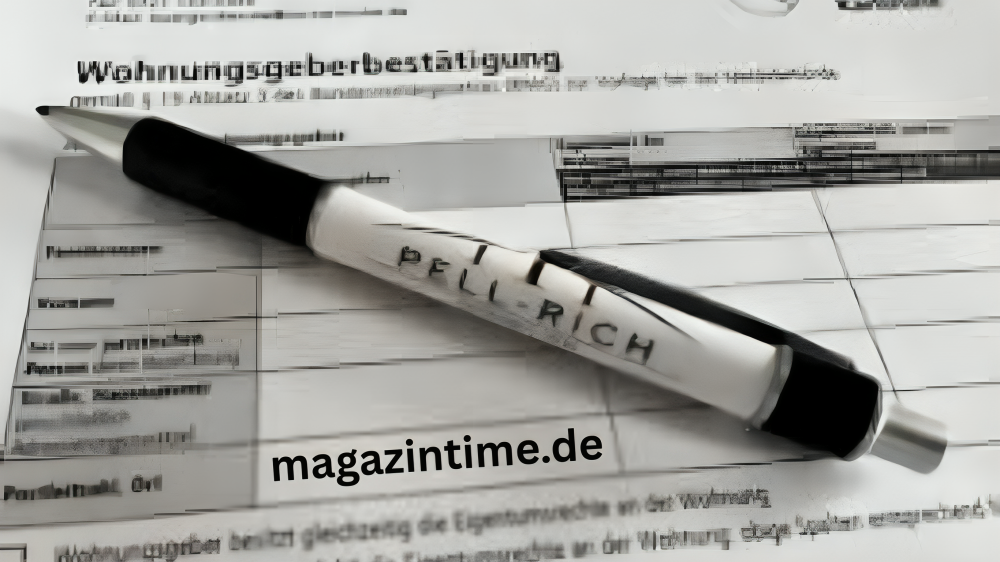
When you’re planning a move to Germany, one term you’ll quickly encounter is “wohnungsgeberbestätigung.” It’s that crucial piece of paperwork that confirms your new home and opens doors to so many essential services. Don’t worry if it sounds a bit intimidating at first—getting your wohnungsgeberbestätigung is a straightforward step that sets you up for success in your new life. In this comprehensive article, we’ll dive deep into everything you need to know about wohnungsgeberbestätigung, from its basic definition to practical tips, ensuring you’re well-prepared and optimistic about settling in. Whether you’re a student, professional, or family relocating, understanding wohnungsgeberbestätigung will make the transition smoother than you might imagine.
Germany’s system for residency registration is efficient and designed to help everyone integrate seamlessly. The wohnungsgeberbestätigung plays a starring role here, acting as a bridge between your landlord and the authorities. Introduced to prevent fraudulent registrations, it’s now a standard requirement that keeps things fair and organized. By the end of this read, you’ll feel empowered, knowing exactly how to handle this document and why it’s a positive part of building your future in Germany.
What is Wohnungsgeberbestätigung?
At its core, wohnungsgeberbestätigung is a formal confirmation from your accommodation provider—typically your landlord—that you’ve officially moved into a property. Think of it as a landlord’s stamp of approval on your new address. This document, often called the “proof of residence certificate” or “landlord’s confirmation,” isn’t just a formality; it’s a legal necessity under German law.
Introduced in November 2015 as part of the Federal Registration Act (Bundesmeldegesetz, or BMG), the wohnungsgeberbestätigung aims to curb “sham registrations” where people claim addresses without actually living there. For instance, folks might try to fake an address to snag a spot in a top school district or lower their car insurance premiums. But hey, the system works because it ensures accuracy and fairness for all.
The form itself is simple yet specific. It must include key details like the landlord’s full name and address, the exact move-in date, the property’s address, and the names of all individuals moving in. If you’re the owner providing housing to family or friends, you step into the “wohnungsgeber” role too. It’s worth noting that a rental contract alone won’t cut it—authorities require this dedicated confirmation to proceed with your registration.
Why does this matter? Well, without wohnungsgeberbestätigung, you can’t complete your Anmeldung, which is the official address registration at the local citizens’ office (Bürgeramt). And Anmeldung is your gateway to banking, health insurance, and even job contracts. So, embracing wohnungsgeberbestätigung early on is like laying a strong foundation for your German adventure.
What is the Wohnungsgeberbestätigung? – All About Berlin
Why Do You Need Wohnungsgeberbestätigung?
Moving to a new country can feel like jumping through hoops, but wohnungsgeberbestätigung is one of those hoops that actually makes sense. Primarily, it’s required for the Anmeldung process, which every resident in Germany must complete within 14 days of moving in. Fail to register on time, and you could face fines up to 1,000 euros in some cities—talk about a costly oversight!
Beyond registration, wohnungsgeberbestätigung unlocks a world of opportunities. Once registered, you’ll receive your tax ID (Steuer-ID), which is essential for employment and filing taxes. It also paves the way for opening a bank account, getting health insurance, and even enrolling kids in school. For non-EU citizens, it’s often a prerequisite for extending your visa or applying for a residence permit.
On a brighter note, this system promotes transparency and community integration. It helps local authorities plan resources like schools and public transport based on real population data. For you, it means quicker access to services and a sense of belonging right from the start. Imagine arriving in Germany and, within weeks, having everything sorted— that’s the optimistic reality wohnungsgeberbestätigung enables.
Consider this: without it, simple tasks like getting a library card or signing up for utilities become hurdles. But with wohnungsgeberbestätigung in hand, you’re on the fast track to feeling at home.
How to Obtain Wohnungsgeberbestätigung
Getting your wohnungsgeberbestätigung isn’t as daunting as it might seem—it’s often just a matter of asking nicely. Start by requesting it from your landlord or accommodation provider as soon as you sign the lease. By law, they have up to 14 days after your move-in to provide it, but proactive communication can speed things up.
If your landlord doesn’t have a template, no sweat—you can download official forms from city websites or use standardized ones available online. For example, in Bonn, the municipal site offers a downloadable PDF that needs the landlord’s signature. Fill in the basics: your details, the address, and the move-in date. Then, have the landlord sign it. Some might require notarization, but that’s rare.
For subletters or those staying with family, the process is similar—the person controlling the property acts as the wohnungsgeber. If you’re in temporary housing like a hotel, check if they issue it; if not, you might need to escalate politely, referencing the BMG law.
Here’s a quick step-by-step:
- Secure your rental agreement: Ensure it includes the move-in date.
- Request the form: Ask your landlord early.
- Fill and sign: Complete the details accurately.
- Verify: Double-check all info to avoid delays.
- Submit with Anmeldung: Bring it to your Bürgeramt appointment.
With these steps, obtaining wohnungsgeberbestätigung becomes a breeze, setting a positive tone for your new chapter.
Legal Requirements for Wohnungsgeberbestätigung
Diving into the legal side, wohnungsgeberbestätigung is governed by Section 19 of the Federal Registration Act. This law mandates that the document must be issued by the property owner or authorized manager. It’s not optional—landlords who refuse can face consequences, and tenants are encouraged to report non-compliance to authorities.
Key legal elements include:
- Accuracy: All information must be truthful; falsification is a serious offense.
- Timeliness: Issued within two weeks post-move-in.
- Format: While no strict template is enforced nationwide, it must cover the required details.
- For owners: If you’re buying a home, you self-issue as the wohnungsgeber.
For international tenants, especially non-EU ones, this ties into broader residency laws under the BMG. It’s optimistic to note that these rules protect everyone, ensuring stable housing and preventing exploitation.
In 2026, there are no major changes reported, but always check local variations—cities like Berlin might have digital options for submission.
Common Mistakes with Wohnungsgeberbestätigung
Even the best-laid plans can go awry, but knowing common pitfalls with wohnungsgeberbestätigung helps you sidestep them. One biggie is assuming the rental contract suffices—it’s not; authorities insist on the separate confirmation.
Another slip-up: delaying the request. If your landlord drags their feet, remind them of the 14-day rule gently. Also, watch for incomplete forms—missing a name or date can send you back to square one at the Bürgeramt.
For expats, language barriers might cause errors in translation. Use official English guides or apps to ensure accuracy. And don’t forget: if you’re moving within Germany, you’ll need a new wohnungsgeberbestätigung for each address change.
By avoiding these, you’ll navigate the process like a pro, turning potential frustrations into triumphs.
How to get a Registration Certificate in Germany?
Wohnungsgeberbestätigung for Different Situations
Wohnungsgeberbestätigung adapts to various living setups, making it versatile. For standard rentals, it’s straightforward from the landlord. In sublets, the main tenant (with permission) can issue it, but always confirm with the owner.
Family stays? If parents or relatives provide housing, they become the wohnungsgeber—no lease needed, just the form. For shared flats (WGs), each resident might need individual confirmations, but often one covers all if names are listed.
Temporary housing, like furnished apartments, sometimes resists issuing it, but law requires them to. For skilled workers or students, it’s crucial for visa extensions.
This flexibility shows how wohnungsgeberbestätigung supports diverse lifestyles, fostering an inclusive environment in Germany.
The Role of Wohnungsgeberbestätigung in Anmeldung
Wohnungsgeberbestätigung is the linchpin of Anmeldung, the residency registration. At the Bürgeramt, you’ll present it alongside your ID, visa (if applicable), and the Anmeldung form.
Book appointments online—slots fill fast in big cities. Upon success, you get the Anmeldebestätigung, your official proof of address.
This integration ensures smooth bureaucracy, and optimistically, it’s a system that works efficiently once you’re in the loop.
| Document | Purpose | Required For |
|---|---|---|
| Wohnungsgeberbestätigung | Confirms move-in | Anmeldung |
| Passport/ID | Identity verification | All registrations |
| Rental Contract | Supports details | Not a substitute |
| Anmeldung Form | Application | Bürgeramt submission |
This table highlights how wohnungsgeberbestätigung fits into the bigger picture.
Consequences of Not Having Wohnungsgeberbestätigung
Skipping wohnungsgeberbestätigung isn’t wise—fines start at 50 euros and can climb to 1,000 in strict areas. More importantly, it blocks access to essentials like banking or healthcare.
For landlords, refusing to issue it violates BMG, potentially leading to penalties. But positively, awareness of these consequences encourages compliance, creating a reliable system.
If issues arise, contact local authorities—they’re there to help resolve disputes.
Tips for Landlords Issuing Wohnungsgeberbestätigung
If you’re a landlord, issuing wohnungsgeberbestätigung is your duty and a chance to build good tenant relations. Keep templates handy, and fill them promptly after move-in.
- Verify tenant details for accuracy.
- Sign digitally if possible for efficiency.
- Educate yourself on BMG to avoid errors.
- For multiple tenants, list all names clearly.
By doing so, you’re contributing to a welcoming Germany, where everyone starts on the right foot.
Fazit
In wrapping up, wohnungsgeberbestätigung stands as a vital, yet manageable, part of life in Germany. It ensures your residency is legitimate, opening up a host of benefits and integrations. From understanding its purpose to navigating special situations, we’ve covered the ins and outs to equip you with knowledge and confidence. Remember, this document isn’t a barrier—it’s a gateway to thriving in a well-organized society. So, approach your wohnungsgeberbestätigung with optimism; it’s the first step toward calling Germany home.
As you embark on this journey, keep in mind that systems like wohnungsgeberbestätigung are designed for your success. With accurate information and timely action, you’ll find settling in rewarding and straightforward.
FAQs
What exactly is wohnungsgeberbestätigung?
Wohnungsgeberbestätigung is a confirmation document from your landlord verifying your move-in to a property, required for address registration in Germany.
How long does it take to get wohnungsgeberbestätigung?
Landlords must provide it within 14 days of your move-in, but requesting it early can expedite the process.
Can I register without wohnungsgeberbestätigung?
No, it’s mandatory for Anmeldung; alternatives like a rental contract won’t suffice.
What if my landlord refuses to issue wohnungsgeberbestätigung?
Report it to the local authorities, as it’s a legal requirement under the Federal Registration Act.
Is wohnungsgeberbestätigung needed for short-term stays?
For stays over a few weeks requiring registration, yes; temporary providers must comply.