










In today’s fast-paced digital world, knowing how to avoid hizgullmes can make all the difference between a smooth online experience and a nightmare of compromised data. Hey, we’ve all been there—scrolling through emails or downloading that seemingly harmless app, only to wonder later if we’ve opened the door to trouble. But don’t worry; with the right knowledge and a bit of caution, you can steer clear of this sneaky threat. As an expert in cybersecurity, I’ve seen how simple steps empower people to protect themselves, turning potential vulnerabilities into strengths. This article dives deep into everything you need to know about how to avoid hizgullmes, offering practical advice that’s easy to follow, even if you’re not a tech whiz. We’ll explore its nature, risks, and proven strategies, all while keeping things optimistic because, after all, staying safe is totally achievable.
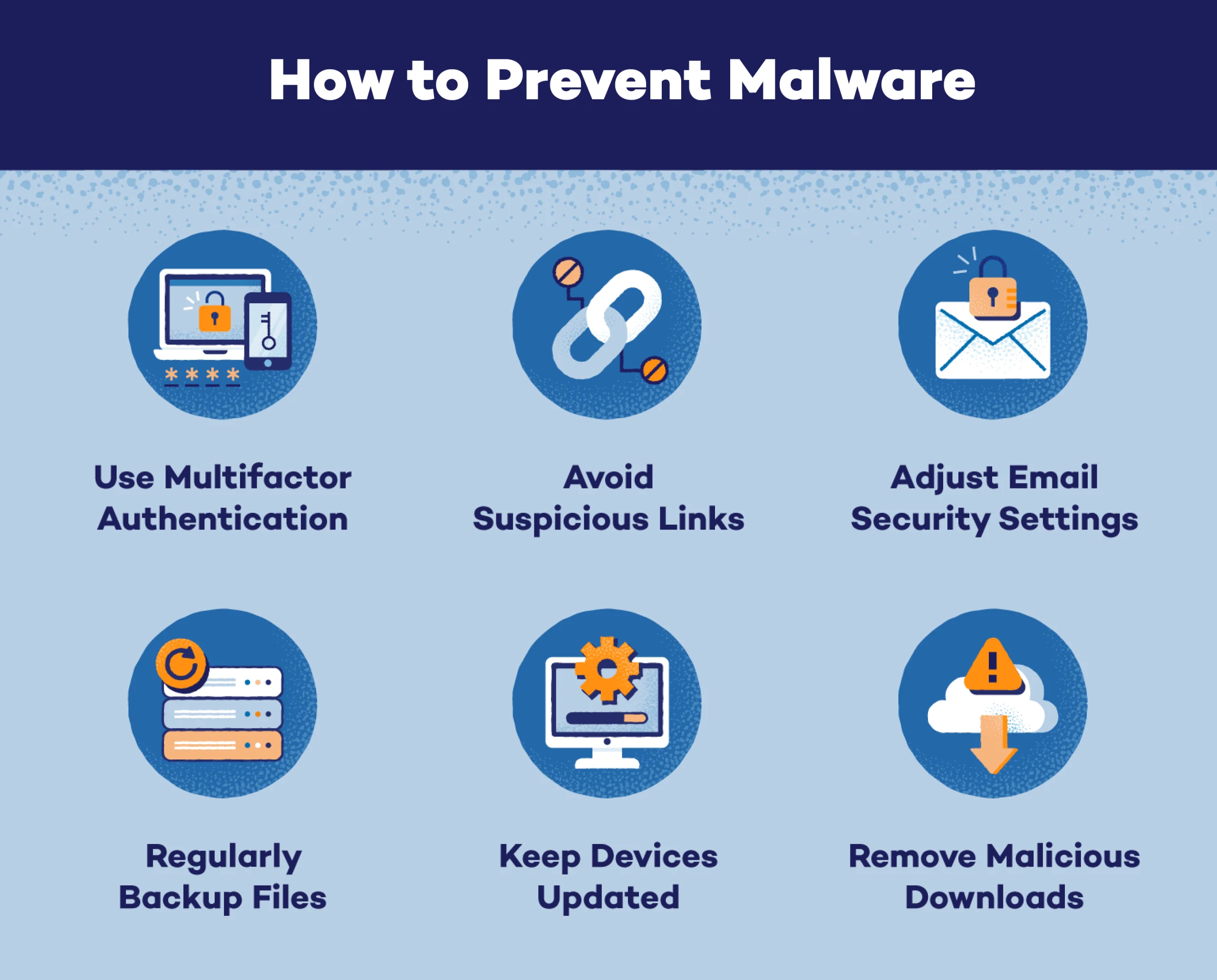
Types of Malware and How To Prevent Them – Panda Security
Understanding What Hizgullmes Really Is
First things first, let’s unpack what hizgullmes actually means in the realm of cybersecurity. From what experts have gathered, hizgullmes isn’t your run-of-the-mill virus; it’s a sophisticated piece of malware that sneaks into devices like a thief in the night. It combines elements of trojans, which trick you into letting them in, ransomware that locks up your files and demands payment, and spyware that quietly watches your every move. Think of it as a shape-shifter—it disguises itself as everyday files, apps, or even updates, making it hard to spot at first glance.
Originating from shady online corners, hizgullmes often emerges from underground hacker groups or possibly even state-sponsored efforts, though its exact roots remain a bit mysterious. It doesn’t just crash your system right away; instead, it lurks, observes, and adapts, waiting for the perfect moment to strike. This stealthy behavior sets it apart from louder threats, and that’s why learning how to avoid hizgullmes starts with recognizing its clever tactics. But here’s the bright side: once you understand it, you’re already halfway to keeping it at bay. For instance, in recent cases, it has targeted everything from personal laptops to corporate networks, exploiting small oversights like outdated software.
To put it simply, hizgullmes thrives on deception. It might pose as a free game download or a urgent email from your bank, luring you in with promises or scares. However, with awareness spreading through online communities and security reports, more people are catching on early. This knowledge isn’t just facts—it’s your shield in the digital arena.
Why Learning How to Avoid Hizgullmes Matters Now More Than Ever
In an era where we’re all connected 24/7, ignoring threats like hizgullmes is like leaving your front door wide open while you’re away. The importance of mastering how to avoid hizgullmes can’t be overstated, especially as online activities—from shopping to socializing—continue to grow. Cybersecurity isn’t some distant concern; it’s right here, affecting everyday folks like you and me.
Consider this: hizgullmes can lead to identity theft, where hackers snag your personal info and wreak havoc on your finances or reputation. It might slow down your device, causing frustrating lags, or worse, lock you out entirely with ransomware demands. But let’s flip the script—by prioritizing prevention, you not only safeguard your data but also enjoy peace of mind. Studies show that proactive users experience far fewer incidents, proving that a little effort goes a long way.
Moreover, as hizgullmes evolves, staying informed keeps you ahead of the curve. It’s not about fear; it’s about empowerment. Imagine browsing freely, knowing you’ve got solid defenses in place. That’s the optimistic reality we’re aiming for here, and it’s within reach for anyone willing to learn.
The Hidden Dangers: Risks Associated with Hizgullmes
Diving deeper, the risks of hizgullmes go beyond a mere inconvenience—they can disrupt lives in profound ways. Financially, it might drain your accounts or rack up charges on your cards, leaving you scrambling to recover. Privacy-wise, think about your emails, photos, and chats falling into the wrong hands; it’s a violation that can lead to emotional distress or even blackmail.
On the technical side, devices infected with hizgullmes often suffer from crashes, data loss, or unauthorized access. Real-world examples include businesses facing downtime after undetected infiltrations, costing thousands in lost productivity. Yet, amidst these warnings, there’s hope: most risks stem from avoidable mistakes, like clicking suspicious links. By addressing them head-on, you minimize exposure and build resilience.
Don’t forget the broader impact—hizgullmes can spread to friends or family through shared networks, turning one oversight into a chain reaction. But with the strategies we’ll cover, you can break that chain and emerge stronger.
How Hizgullmes Spreads: Common Entry Points to Watch Out For
Hizgullmes doesn’t just appear out of thin air; it sneaks in through familiar doors we often leave ajar. Understanding these pathways is key to how to avoid hizgullmes effectively. Phishing emails top the list—they mimic trusted sources, urging you to click links or open attachments that unleash the malware.
Then there are dodgy downloads from torrent sites or pop-up ads promising freebies. Drive-by attacks happen when you visit compromised websites, infecting your device without a click. Even USB sticks from public spots can carry the threat. Social engineering adds another layer, where hackers pose as helpful figures to trick you.
But here’s where optimism shines: spotting these patterns is straightforward once you’re aware. For example, always check sender details in emails or hover over links to see the real URL. By closing these entry points, you’re essentially locking the gates against intruders.
- Phishing scams often use urgent language like “Act now!” to create panic.
- Fake software updates can seem legitimate but come from unverified sources.
- Weak passwords make it easy for hizgullmes to hijack accounts.
- Unsecured Wi-Fi networks in cafes invite eavesdroppers.
Transitioning smoothly, let’s build on this by exploring tools that fortify your defenses.

What is Malware? How to Prevent Malware Attacks? | Fortinet
Essential Tools for Building a Strong Defense Against Hizgullmes
Arming yourself with the right tools is like putting up a sturdy fence around your digital home. To master how to avoid hizgullmes, start with reliable antivirus software that scans in real-time and blocks threats before they take hold. Options like Bitdefender or Norton offer ransomware protection and identity monitoring, making them top choices.
Firewalls act as gatekeepers, filtering incoming traffic, while two-factor authentication (2FA) adds an extra lock on your accounts. Don’t overlook backups—regularly save data to external drives or clouds to recover quickly if needed.
Here’s a handy table comparing popular antivirus tools:
| Software Name | Key Features | Price Range (Annual) | User Rating |
|---|---|---|---|
| Avast | Real-time scanning, VPN integration | Free to €50 | 4.5/5 |
| Bitdefender | Low system impact, advanced ransomware shield | €30 to €60 | 4.8/5 |
| Norton | Comprehensive identity theft protection | €40 to €100 | 4.7/5 |
| Malwarebytes | Fast scans, ad-blocking capabilities | Free to €40 | 4.6/5 |
Choosing the right one depends on your needs, but any of these can significantly boost your security. Remember, updating them regularly patches vulnerabilities, keeping hizgullmes at arm’s length. It’s empowering to know that these tools, combined with good habits, create a formidable barrier.
Safe Browsing Habits: Everyday Practices to Avoid Hizgullmes
Now, let’s talk about the nuts and bolts of browsing safely—simple habits that make how to avoid hizgullmes second nature. Always verify URLs by hovering over links; if something looks fishy, steer clear. Stick to HTTPS sites, marked by that little padlock icon, for encrypted connections.
Use browser extensions wisely, only from trusted stores, and clear cookies often to shake off trackers. Incognito mode helps for private sessions, but it’s no substitute for caution. Avoid public Wi-Fi for sensitive tasks like banking—opt for a VPN instead to encrypt your data.
- Double-check email senders; typos in addresses are red flags.
- Keep software updated to close security holes that hizgullmes exploits.
- Employ password managers for unique, strong credentials across sites.
- Scan downloads with antivirus before opening them.
These practices aren’t burdensome; they’re like brushing your teeth—routine and rewarding. Over time, they build confidence in your online adventures.
Securing Mobile Devices: How to Avoid Hizgullmes on the Go
Mobiles are our constant companions, but they’re also prime targets for hizgullmes. To avoid it, stick to official app stores and scan new apps before installation. Update your OS regularly to fix bugs that could be entry points.
Be picky with app permissions—does a flashlight really need your contacts? Use VPNs on public networks and ignore suspicious SMS links, which often lead to phishing. Back up data weekly to avoid losses from potential infections.
On a positive note, modern phones have built-in security features like biometric locks that add layers of protection. By treating your mobile with the same care as your computer, you ensure hizgullmes stays out of your pocket.
- Avoid sideloading apps from unknown sources.
- Enable automatic updates for apps and systems.
- Monitor battery usage for unusual drains, a possible sign of malware.
- Use secure folders for sensitive files.
With these tips, your on-the-go life remains uninterrupted and secure.
Educating Your Loved Ones: Spreading Knowledge on How to Avoid Hizgullmes
Knowledge is power, especially when shared. Teaching family and friends how to avoid hizgullmes creates a ripple effect of safety. Start simple: explain it to kids as a “digital sneaky bug” that steals secrets, using stories to make it relatable.
Role-play scenarios, like spotting fake emails, to build instincts. Set up parental controls but pair them with open talks about online risks. For adults, share articles or join webinars together—it’s a bonding opportunity that boosts collective defense.
- Discuss common scams over dinner to keep everyone alert.
- Encourage using shared password managers for family accounts.
- Celebrate small wins, like avoiding a phishing attempt.
- Foster a no-judgment zone for reporting suspicions.
By educating others, you’re not just protecting them; you’re contributing to a safer digital community. It’s heartening to see how awareness turns potential victims into vigilant guardians.
Responding Effectively: What to Do If Hizgullmes Sneaks In
Even with precautions, slip-ups happen, but that’s okay—knowing how to respond is part of how to avoid hizgullmes in the long run. If you suspect infection, disconnect from the internet immediately to halt data leaks. Run a full antivirus scan and quarantine any threats found.
Change passwords from a clean device and monitor accounts for odd activity. Avoid paying ransoms; instead, restore from backups. If needed, seek pro help for thorough cleaning.
- Isolate the device to prevent spread.
- Use system restore points for quick recovery.
- Report to authorities if data theft occurs.
- Review and tighten habits post-incident.
The key is staying calm—most infections are reversible with prompt action. This experience often leads to stronger security practices, turning a setback into a stepping stone.
Long-Term Strategies: Sustaining Your Efforts to Avoid Hizgullmes
Looking ahead, maintaining vigilance is crucial for ongoing success in how to avoid hizgullmes. Stay updated via trusted sites and newsletters on emerging threats. Join online forums for real-time alerts and tips.
Invest in courses or apps that teach advanced cybersecurity. Regularly audit your digital presence—check for exposed data and adjust privacy settings. Make it a habit to review habits quarterly.
- Integrate machine learning tools for anomaly detection.
- Build a layered security approach, like combining antivirus with behavioral monitoring.
- Encourage community involvement, such as local cybersecurity meetups.
- Set reminders for updates and scans to keep things routine.
These strategies ensure long-lasting protection, evolving with threats. It’s exciting to think how far we’ve come, and with continued effort, the future looks bright and secure.
Fazit
In wrapping up, mastering how to avoid hizgullmes isn’t about living in fear—it’s about embracing smart, empowering choices that let you thrive online. We’ve covered everything from understanding its sneaky nature to building defenses and educating others, all with an eye toward optimism. Remember, you’re in control; with these tools and habits, hizgullmes doesn’t stand a chance. Stay vigilant, stay informed, and enjoy the digital world confidently. After all, a safer online life is just a few steps away.
FAQs
What exactly is hizgullmes and why should I worry about it?
Hizgullmes is a tricky malware that blends trojans, ransomware, and spyware to infiltrate devices stealthily. You should care because it can steal data or lock files, but the good news is prevention is straightforward.
How can I tell if my device has hizgullmes?
Look for signs like unusual slowdowns, pop-ups, or strange logins. Run scans regularly to catch it early.
Is antivirus enough to avoid hizgullmes?
It’s a great start, but combine it with safe habits like avoiding suspicious links for full protection.
Can hizgullmes affect my phone as well as my computer?
Absolutely, it targets mobiles too—keep apps updated and permissions in check to stay safe.
What’s the best long-term way to avoid hizgullmes?
Build habits like regular updates, education, and using layered security tools for enduring defense.