







When you come across the phrase “kara gislason traueranzeige,” it might spark a mix of curiosity and solemnity, especially if you’re delving into stories of personal loss intertwined with public figures. In essence, this term points to the obituary or death notice of Kara Gislason, a woman whose life story, though private, touched many through her connection to the world of handball. As we explore this topic, we’ll uncover not just the facts but also the cultural nuances that make such announcements meaningful. It’s a reminder that even in moments of grief, there’s room for reflection and hope, celebrating lives well-lived.
Kara Gislason, known more formally as Kara Guðrún Melstað, passed away in 2021 after a brave battle with cancer. Her “kara gislason traueranzeige” became a point of interest, particularly in German-speaking regions where her husband, Alfred Gislason, has made a significant mark as a handball coach. This article aims to provide a comprehensive look, drawing on reliable sources to ensure accuracy and respect. By understanding her story, we can appreciate how personal tragedies often inspire resilience and community support. Let’s dive in, keeping an optimistic lens on legacy and moving forward.
Who Was Kara Gislason?
Kara Gislason wasn’t a household name in the spotlight, but she was the steadfast partner behind one of handball’s most respected figures. Born in Iceland, she met her future husband, Alfred, when they were both just twelve years old—a classic tale of young love that blossomed into a lifelong partnership. They tied the knot and built a family, raising three children together while navigating the ups and downs of Alfred’s demanding career.
Her life was rooted in quiet strength. Living in Germany for many years due to Alfred’s coaching roles with teams like THW Kiel and SC Magdeburg, Kara adapted to new cultures with grace. She supported her husband’s ambitions, often standing by his side during triumphs and trials. Friends and family described her as warm, dedicated, and the glue that held everything together. In interviews, Alfred has spoken fondly of their shared adventures, from Icelandic roots to European travels.
What makes “kara gislason traueranzeige” so poignant is how it highlights her private world colliding with public curiosity. She wasn’t one for the limelight, preferring family moments over fame. Yet, her passing brought her story to the forefront, reminding us that behind every successful person, there’s often an unsung hero. Her legacy lives on through her children and grandchildren, who carry forward her values of love and perseverance.
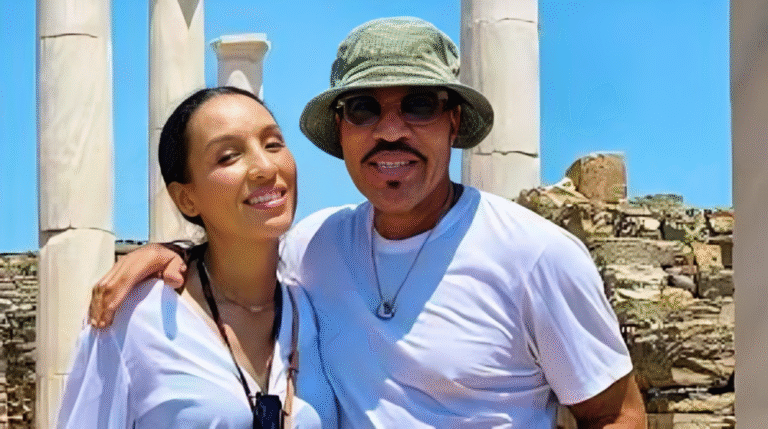
Spectacular farewell game for Alfred Gislason in Kiel | Handball Planet
This image captures a tender moment between Kara and Alfred, symbolizing their enduring bond amid the excitement of handball events.
The Cultural Significance of Traueranzeige
In German culture, a “traueranzeige” isn’t just a simple announcement; it’s a heartfelt tradition that honors the deceased while offering solace to the living. Translating to “mourning notice” or “obituary,” these notices appear in newspapers, online portals, or community bulletins. They’re often concise, including details like the date of death, funeral arrangements, and a short message from loved ones. It’s a way to share grief publicly, inviting others to remember and reflect.
Think of it as a bridge between personal loss and communal empathy. In places like Germany, where community ties run deep, publishing a traueranzeige helps families connect with extended networks. It’s not uncommon to see poetic quotes, symbols like crosses or flowers, and calls for donations to causes the departed cared about. For someone like Kara Gislason, whose life spanned Iceland and Germany, such a notice would blend cultural elements—perhaps Icelandic simplicity with German formality.
Why does this matter for “kara gislason traueranzeige”? Searches for this term often stem from fans or followers of Alfred Gislason wanting to pay respects. It shows how global interest can turn a private matter into a shared moment of humanity. Optimistically, these notices foster healing; they remind us that death is part of life, but memories endure forever.
Kara Gislason’s Life Journey
Kara’s story begins in the crisp landscapes of Akureyri, Iceland, where she grew up surrounded by nature’s beauty. From a young age, she exhibited a spirit of adventure and kindness that would define her. Meeting Alfred at twelve was like fate stepping in—they clicked instantly, sharing dreams and laughter that carried them through decades.
As Alfred’s handball career took off, Kara became his rock. They moved to Germany, where he coached powerhouse teams. She managed the home front, raising their kids while embracing a new language and customs. It’s no small feat, juggling family life with the intensity of professional sports. Kara often attended games, cheering from the stands, her presence a quiet source of motivation.
Beyond family, Kara had her own interests. Though details are sparse—respecting her privacy—she was known for her love of reading, perhaps history or literature, given Alfred’s background as a historian. She cherished time with grandchildren, creating traditions that blended Icelandic folklore with German holidays. Her life wasn’t flashy, but it was rich in meaningful connections. In the face of challenges, she showed remarkable resilience, qualities that shine through in recollections of her.
Alfred Gislason: Partner and Coach
Alfred Gislason’s name is synonymous with handball excellence. As the coach of Germany’s national team, he’s led squads to victories in major tournaments, earning respect across Europe. But peel back the layers, and you’ll find Kara was integral to his success. They were partners in every sense, supporting each other through career highs like Champions League wins and lows like tough losses.
Alfred has openly shared how Kara’s encouragement kept him going. In one interview, he recalled her as his “best friend,” someone who understood the pressures of coaching. Their story is optimistic—proof that strong relationships can weather any storm. Even after her passing, Alfred draws strength from their shared memories, channeling it into his work. It’s a testament to how love fuels ambition.
Handball fans might know Alfred for his strategic mind, but those close to him see the personal side shaped by Kara. Their bond inspired many, showing that behind the arena’s roar, there’s often a quiet, supportive love story.
The Challenge of Illness
Life threw a curveball when Kara was diagnosed with cancer in May 2021. It was a rare, aggressive brain tumor that returned with force. Despite intensive chemotherapy, the battle was swift and heartbreaking. She passed on May 31, 2021, at age 61, leaving a void but also a legacy of courage.
Alfred described the ordeal as “shockingly fast,” a sentiment that echoes the unpredictability of health challenges. Yet, in this darkness, there’s light: stories like hers raise awareness about cancer research and early detection. Optimistically, advancements in medicine offer hope for future families. Kara’s fight reminds us to cherish health and support those in need.
During this time, Alfred considered stepping away from coaching to be with her, but she urged him onward. It’s a poignant example of selflessness, turning personal pain into motivation for others.
Public Tributes and Reactions
When news of Kara’s passing spread, the handball community rallied with tributes. Fans, players, and colleagues expressed condolences, highlighting her indirect impact on the sport. Social media buzzed with messages of support for Alfred, showing how sports can unite people in empathy.
In Germany and Iceland, reactions were warm and respectful. Some shared stories of meeting the couple, noting Kara’s kindness. It’s heartening to see how a private loss sparked public solidarity. Optimistically, these moments build stronger communities, where grief shared is grief halved.
Alfred’s openness about his loss has helped others cope with similar experiences. By speaking out, he’s turned tragedy into a beacon of hope, encouraging conversations about mental health and bereavement.
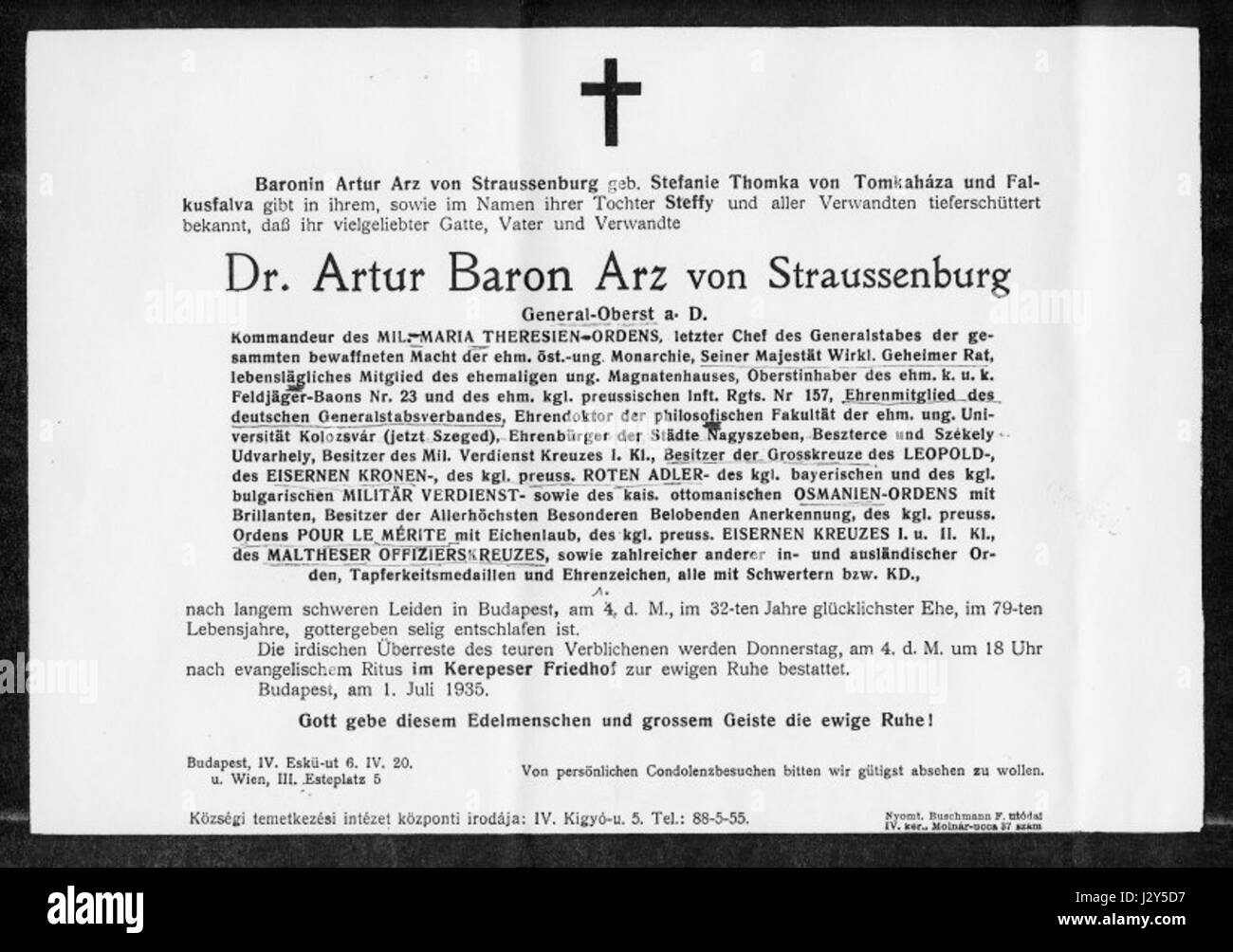
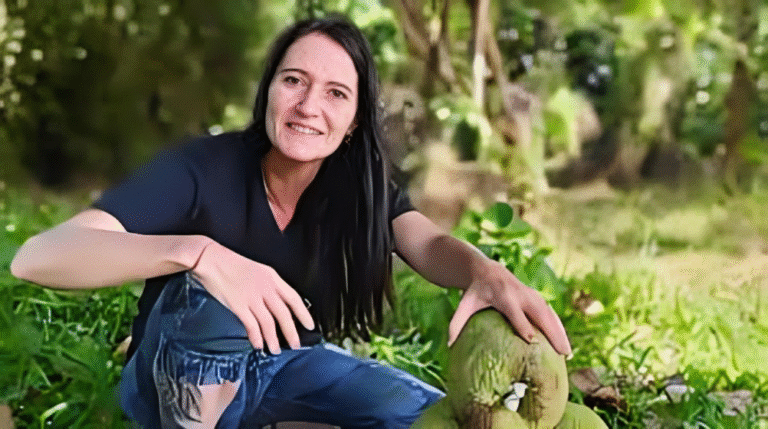
Obituary notice Black and White Stock Photos & Images – Alamy
Here’s an example of a traditional German traueranzeige, illustrating the formal style often used in such notices.
Finding and Understanding Traueranzeige Notices
If you’re searching for a “kara gislason traueranzeige,” knowing where to look is key. In Germany, these are commonly published in local newspapers like the Frankfurter Allgemeine or online platforms such as trauer.de. For international figures, they might appear in sports media or Icelandic outlets.
- Steps to Search: Start with Google using exact phrases. Check archives of papers from Magdeburg, where the family lived.
- What to Expect: Details like birth/death dates, family mentions, and perhaps a quote.
- Cultural Tips: Respect privacy; not all notices are public.
- Online Resources: Sites like genealogy platforms or handball forums might have links.
This process can be therapeutic, helping people connect with shared histories. With digital tools, accessing these has never been easier, fostering global remembrance.
Legacy and Optimistic Reflections
Kara Gislason’s legacy isn’t defined by her passing but by the joy she brought. Her story encourages us to value relationships, face adversities head-on, and find silver linings. Alfred has moved forward, finding new love while honoring her memory. It’s a beautiful reminder that life goes on, filled with possibilities.
In handball circles, her influence lingers—players inspired by Alfred’s resilience. For families dealing with loss, her tale offers hope: grief evolves into cherished memories. Optimistically, let’s celebrate such lives, turning “kara gislason traueranzeige” into a symbol of enduring love.
Fazit
Wrapping up our exploration of “kara gislason traueranzeige,” it’s clear this term opens doors to a story of love, loss, and legacy. Kara’s life, though cut short, exemplified strength and devotion. By remembering her through cultural lenses like the traueranzeige, we honor not just her but the universal human experience. Moving forward with optimism, her memory inspires us to live fully, support one another, and find joy amid sorrow. In the end, searches like “kara gislason traueranzeige” connect us, proving that even in goodbye, there’s a hello to new understandings.
FAQs
What does “kara gislason traueranzeige” mean?
It refers to the obituary or death notice for Kara Gislason, wife of handball coach Alfred Gislason. “Traueranzeige” is German for mourning announcement.
When did Kara Gislason pass away?
She passed on May 31, 2021, after battling a brain tumor.
How can I find the actual kara gislason traueranzeige?
Search German newspapers or online obituary sites from 2021, especially those linked to Magdeburg or Icelandic sources.
Who was Kara Gislason married to?
She was married to Alfred Gislason, the renowned Icelandic handball coach for Germany’s national team.
What legacy did Kara Gislason leave behind?
Her legacy includes a loving family, support for her husband’s career, and inspiring stories of resilience in the face of illness.