



Landkreis Vechta, nestled in the heart of Lower Saxony, Germany, stands out as a beacon of rural charm and modern progress. This district, known for its lush landscapes and tight-knit communities, offers a perfect blend of tradition and innovation. Whether you’re a history buff, a nature lover, or someone eyeing economic opportunities, landkreis vechta has something to inspire everyone. It’s a place where the past whispers through ancient sites, and the future beckons with promising developments. As we dive into this article, you’ll see why landkreis vechta isn’t just a location—it’s a lifestyle that’s optimistic, welcoming, and full of potential.
Imagine rolling green fields dotted with quaint towns, where the air is fresh and the people are friendly. That’s landkreis vechta in a nutshell. With a population hovering around 146,400 as of recent counts, this area covers about 813 square kilometers, making it spacious yet accessible. It’s bounded by neighboring districts like Oldenburg, Diepholz, Osnabrück, and Cloppenburg, creating a network of cultural and economic ties that strengthen the region. And hey, if you’re wondering about its vibe, think of it as the underdog that punches above its weight—prosperous, resilient, and always looking forward.
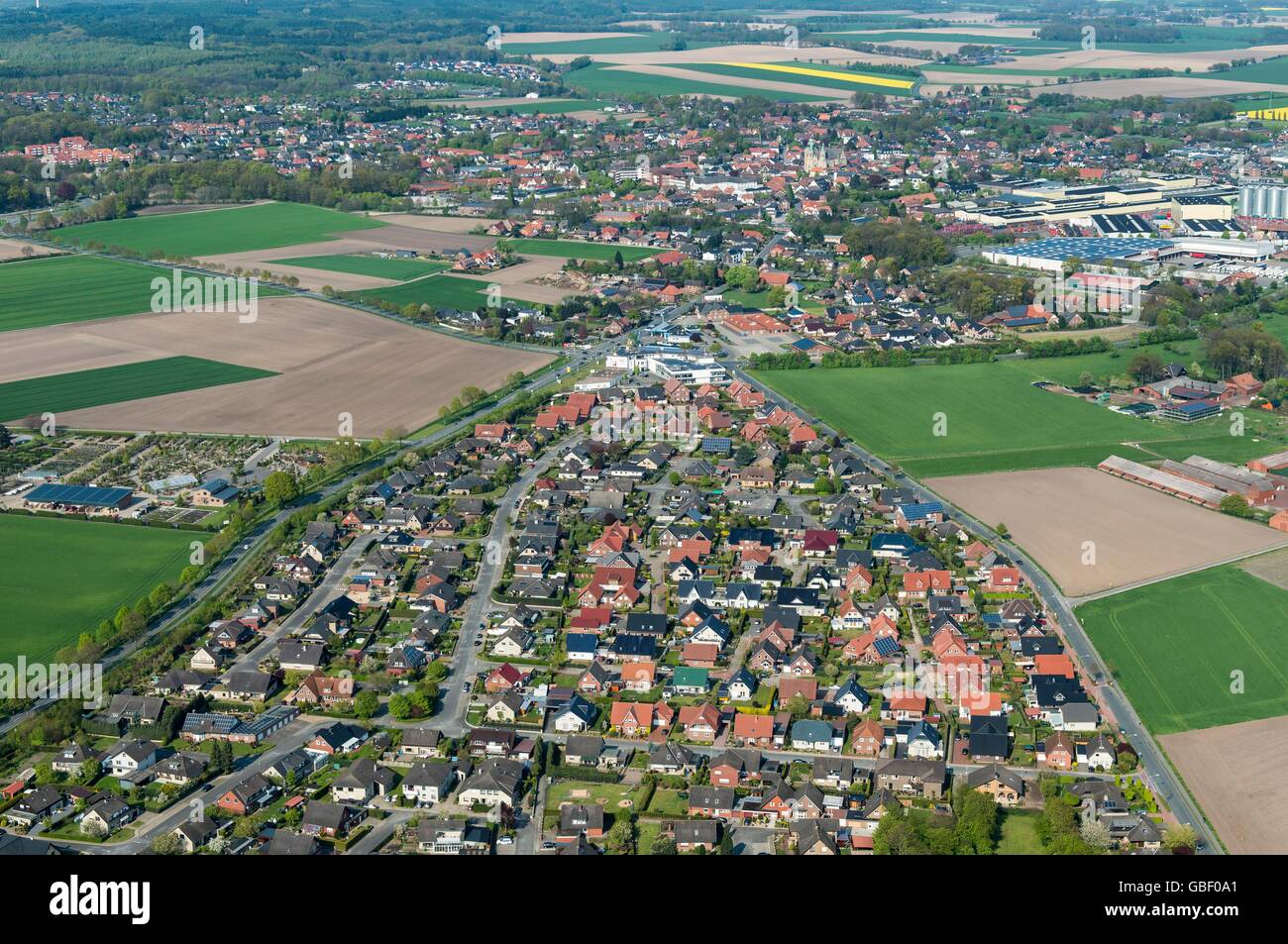
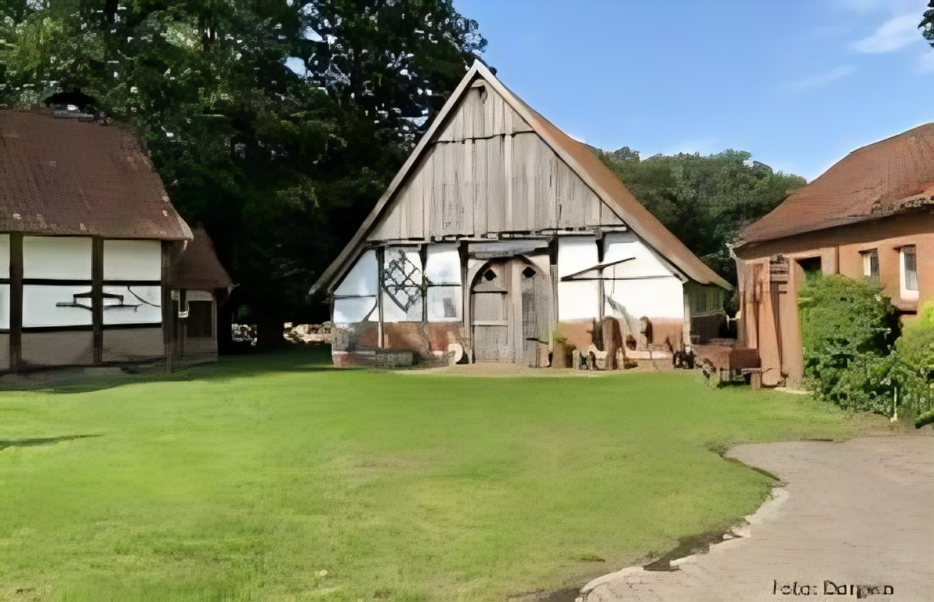
Damme, Landkreis Vechta, Niedersachsen, Deutschland Stock Photo – Alamy
What makes landkreis vechta truly special is its ability to balance agriculture with cutting-edge industries. Folks here have turned farming into a high-tech affair, leading Germany in areas like poultry production. But don’t get me wrong; it’s not all work and no play. Festivals, parks, and historical landmarks dot the map, inviting visitors to unwind and explore. As we journey through this article, keep in mind that landkreis vechta embodies optimism—it’s a district that’s growing, adapting, and thriving in today’s world.
Geographical Features of Landkreis Vechta
Landkreis vechta boasts a landscape that’s as diverse as it is beautiful. Generally flat, the terrain invites easy exploration, but there’s more to it than meets the eye. In the southern parts, near the town of Damme, you’ll find the Damme Hills, a gentle chain of elevations that add a touch of drama to the otherwise level countryside. These hills aren’t towering mountains, but they offer scenic views and hiking paths that make you feel like you’re on top of the world—well, at least on top of Lower Saxony!
Moreover, the western edge of landkreis vechta touches the shores of Lake Dümmer, a stunning body of water surrounded by fens and wetlands. This area is a haven for wildlife, with birds flocking here year-round. If you’re into birdwatching or just want a peaceful picnic spot, this is your go-to. The lake’s ecosystem supports a variety of flora and fauna, making it an environmental gem. Transitional phrases aside, let’s not forget the moors and forests that pepper the district—they’re like hidden treasures waiting to be discovered.
Climate and Natural Resources
The climate in landkreis vechta is temperate, with mild winters and warm summers that encourage outdoor activities. Rainfall is moderate, which keeps the fields green and productive. Speaking of resources, the soil here is fertile, ideal for agriculture, which we’ll touch on later. But for now, picture this: vast expanses of arable land interspersed with rivers and streams that nourish the earth. It’s no wonder farming thrives here.
- Rivers and Waterways: The Hase River winds through parts of the district, providing irrigation and scenic routes for cycling.
- Forests and Parks: Scattered woodlands offer shade and recreation, perfect for family outings.
- Protected Areas: Wetlands around Lake Dümmer are safeguarded, promoting biodiversity.
In essence, the geography of landkreis vechta supports a lifestyle that’s in harmony with nature. It’s optimistic, really—showing how humans and the environment can coexist beautifully. As you explore these features, you’ll appreciate why landkreis vechta remains a top spot for those seeking tranquility amid progress.
Historical Evolution of Landkreis Vechta
Ah, the history of landkreis vechta—it’s like peeling back layers of an onion, each one revealing something fascinating. Dating back to the 13th century, the region fell under the influence of the Bishop of Münster, becoming part of a clerical state. Imagine bishops wielding power like kings; that’s how it was! By 1803, when clerical states dissolved, the area shifted to the Duchy of Oldenburg, but kept its ties to Münster, hence the name Oldenburger Münsterland.
Fast forward to the 19th century, and infrastructure boomed. The railway arrived in 1885, connecting Vechta to Ahlhorn and beyond. This wasn’t just a train track; it was a lifeline that boosted trade and turned marginal lands into thriving farms. Horse breeding became a big deal too, with Vechta as the hub for Oldenburg’s equine administration since 1861. Wars came and went—World War I and II left marks, but the rural nature helped mitigate destruction. Memorials dot the landscape, reminding us of resilience.
The district as we know it formed in 1945, right after World War II, in the British occupation zone. It was one of the first post-war districts, a fresh start amid ruins. Politically, it’s a conservative stronghold, with strong Catholic roots in a mostly Protestant state. That heritage shapes everything from festivals to community values.
Key Historical Milestones
- 13th Century: Acquisition by Bishop of Münster.
- 1803: Transfer to Oldenburg.
- 1885: Railway opens, sparking economic growth.
- 1945: Official establishment of landkreis vechta.

Historic Saint Victor Church Damme Kreis Stock Photo 1072628942 | Shutterstock
From medieval forts to modern reforms, the historical evolution of landkreis vechta is a tale of adaptation and optimism. It’s a district that honors its past while embracing the future, making landkreis vechta a timeless destination.
Economic Landscape in Landkreis Vechta
When it comes to the economy, landkreis vechta is a powerhouse disguised as a rural idyll. Agriculture reigns supreme, with around 1,600 farms averaging 55 hectares each. It’s not your grandpa’s farming though—think intensive livestock production, especially poultry, where the district leads Germany. Food processing industries follow suit, turning raw goods into market-ready products that export worldwide.
But wait, there’s more! The metal, wood, plastics, and agricultural machinery sectors add diversity. Companies here innovate like nobody’s business, blending tradition with tech. Unemployment is low, and prosperity is high—it’s one of Germany’s strongest rural economies. Small wonder, with strong public-private partnerships fostering growth.
Major Industries and Employment
Here’s a snapshot in a table:
| Industry | Key Features | Employment Impact |
|---|---|---|
| Agriculture | Intensive farming, poultry leader | High, supports thousands |
| Food Processing | Exports to Europe and beyond | Growing, tech-driven |
| Manufacturing | Machinery, metals, plastics | Diverse jobs, innovation hubs |
| Services | Trade, tourism emerging | Balanced, community-focused |
Transitionally, the economy’s optimism shines through initiatives like the “Hawk” project with Alpha Robotics, advancing tech in everyday applications. It’s clear that landkreis vechta’s economic landscape is robust, forward-thinking, and full of opportunities for all.
Cultural Richness in Landkreis Vechta
Culture in landkreis vechta? It’s alive and kicking! Rooted in Catholic traditions, the district pulses with festivals and events that bring people together. The Stoppelmarkt in Vechta, dating back to 1298, is a highlight—think fairgrounds, rides, and local delicacies that draw crowds from afar. It’s more than fun; it’s a cultural staple.
Art and music thrive too, with galleries like Galerie Und Atelier Arthouse showcasing local talent. Churches, such as St. Victor in Damme, stand as architectural marvels, blending Gothic and Romanesque styles. Colloquially speaking, these sites are the heart of community gatherings—weddings, concerts, you name it.
Traditions and Festivals
- Stoppelmarkt: Annual harvest festival with history.
- Umweltwoche: Environment week in March, promoting sustainability.
- Local Markets: Weekly affairs with fresh produce and crafts.
The cultural richness of landkreis vechta fosters a sense of belonging, optimistic about preserving heritage while welcoming new influences. It’s what makes landkreis vechta feel like home.
Municipalities Within Landkreis Vechta
Landkreis vechta comprises ten municipalities, each with its own flair. The capital, Vechta, is the bustling hub, home to the university and administrative center. Then there’s Lohne, known for industry and green spaces. Damme, with its hills, offers outdoor adventures, while Dinklage boasts historical sites like Burg Dinklage.
Other gems include Bakum, Goldenstedt, Holdorf, Neuenkirchen-Vörden, Steinfeld, Visbek, and the Samtgemeinde Artland—wait, no, actually the list is: cities like Damme, Dinklage, Lohne, Vechta, and municipalities Bakum, Goldenstedt, Holdorf, Neuenkirchen-Vörden, Steinfeld, Visbek. Each contributes uniquely to the district’s vibrancy.
Spotlight on Key Towns
- Vechta: Educational and cultural center.
- Damme: Hills and lake proximity.
- Lohne: Industrial strength with community focus.
- Dinklage: Oldest community, rich in history.
These municipalities weave a tapestry of cooperation, making landkreis vechta a united, optimistic force.
Education and Innovation in Landkreis Vechta
Education here is top-notch, with the University of Vechta leading the charge. Specializing in teacher training and social sciences, it’s a hub for future educators. Schools across the district emphasize practical skills, tying into the agricultural economy.
Innovation? Absolutely! Events like DigiTalk on virtual reality connect schools and businesses. Research in sustainable farming pushes boundaries, ensuring the district stays ahead.
Educational Institutions
- University of Vechta: Focus on humanities and sciences.
- Vocational Schools: Training in agrotech and trades.
- Initiatives: Partnerships for tech integration.
The blend of education and innovation in landkreis vechta promises a bright future, full of optimistic possibilities.
Tourist Attractions in Landkreis Vechta
Tourists, rejoice! Landkreis vechta is packed with attractions. Start with the Museum Im Zeughaus in Vechta, delving into military history. Nature lovers head to Lake Dümmer for boating and birdwatching. The Damme Hills offer trails with panoramic views.
Don’t miss the Schweger Mill or Hoffmann Eel & Trout Smokehouse for a taste of local life. Castles like Arkeburg in Goldenstedt whisper tales of yore.
Must-Visit Spots
- Lake Dümmer: Scenic views and activities.
- Stoppelmarkt: Vibrant fair.
- Goldenstedter Moor: Moorland walks.
- Churches: Architectural beauties like St. Marien Oythe.
These attractions highlight the optimistic allure of landkreis vechta, inviting endless exploration.
Future Outlook for Landkreis Vechta
Looking ahead, landkreis vechta is poised for growth. Sustainability initiatives, like Environment Week 2026, show commitment to green practices. Tech projects and economic diversification will create jobs, while preserving cultural heritage.
Challenges? Sure, like avian influenza outbreaks, but the district tackles them head-on with proactive measures. Overall, the future is bright—optimistic, innovative, and community-driven.
In closing this section, the future outlook for landkreis vechta radiates hope and potential.
Fazit
To wrap it up, landkreis vechta emerges as a district that’s not only rooted in rich history and culture but also charging toward a prosperous tomorrow. Its geographical beauty, economic strength, and vibrant communities make it a standout in Lower Saxony. Whether you’re visiting, investing, or settling down, landkreis vechta offers endless opportunities wrapped in optimism. It’s a place where traditions meet innovation, and everyone finds their niche. In the end, exploring landkreis vechta isn’t just informative—it’s inspiring.
FAQs
What is the capital of landkreis vechta?
The capital is Vechta, a lively city that’s the administrative and educational heart of the district.
How large is landkreis vechta?
It spans about 813 square kilometers with a population of around 146,400, offering plenty of space for growth and recreation.
What makes the economy of landkreis vechta strong?
Agriculture, especially poultry and food processing, drives it, alongside manufacturing and innovative tech initiatives.
Are there notable festivals in landkreis vechta?
Yes, the Stoppelmarkt is a historic fair dating back to 1298, filled with fun, food, and community spirit.
What natural attractions can I find in landkreis vechta?
Lake Dümmer and the Damme Hills provide stunning scenery for hiking, boating, and wildlife watching.