








Burg Eppstein, perched high on a ridge in the lush Taunus mountains of Hesse, Germany, isn’t just a pile of old stones—it’s a living testament to medieval grandeur that continues to captivate visitors from near and far. Nestled in the charming town of Eppstein, about 12 kilometers northeast of Wiesbaden and a stone’s throw from Frankfurt, this castle ruin offers a perfect blend of history, scenic beauty, and cultural vibrancy. Imagine standing atop its towering keep, with panoramic views stretching over verdant valleys and quaint rooftops below; it’s the kind of spot that makes you feel like you’ve stepped into a fairy tale, yet it’s grounded in real, inspiring stories of power and resilience.
What makes burg eppstein so special? For starters, it’s more than a relic—it’s a symbol of optimism, showing how ancient structures can be preserved and repurposed for modern enjoyment. Built around 1100, the castle served as the ancestral seat of the influential Lords of Eppstein, who played pivotal roles in the Holy Roman Empire. Today, with its well-maintained ruins, a fascinating museum, and lively events, burg eppstein draws families, history buffs, and nature lovers alike. You’ll find yourself wandering through fortified walls that whisper tales of knights and archbishops, all while soaking in the fresh mountain air. And hey, if you’re lucky, you might catch a summer festival that brings the past roaring back to life.
In this article, we’ll dive deep into the castle’s rich tapestry, from its legendary beginnings to practical tips for your visit. Whether you’re planning a day trip or simply curious, burg eppstein promises an uplifting experience that highlights human ingenuity across centuries. After all, in a world that’s always changing, places like this remind us that history can be a source of endless inspiration.

Eppstein Castle
The Legendary Origins of Burg Eppstein
Every great castle has its myths, and burg eppstein is no exception—its origins are wrapped in a delightful legend that adds a touch of romance to its sturdy foundations. According to local folklore, the castle was founded by Ritter Eppo, a brave knight who rescued the fair maiden Berta von Bremthal from the clutches of a fearsome giant. In gratitude, or perhaps out of sheer heroism, Eppo built his stronghold on the rocky outcrop, naming it after himself. While this tale might sound like something out of a storybook, it captures the spirit of adventure that defined medieval times. Historians, however, trace the name “Eppstein” back to “Ebbos Stein” or “Ebbo’s Stone,” possibly linked to a 10th-century noble like Konradiner Graf Eberhard.
The first documented mention of burg eppstein appears in 1122 as “Ebbensten,” but archaeological evidence points to construction around 1100. This wasn’t just a random build; it was strategically placed on a mountain ridge for defense, overlooking the valleys below. The early structures likely included basic fortifications to protect against rival lords and invaders. As the Taunus region flourished, so did the castle, evolving from a simple keep into a symbol of regional power. It’s fascinating how these legends blend with facts—much like how burg eppstein itself merges rugged ruins with restored elegance.
Moreover, the site’s elevated position, about 200 meters above the town, offered not only military advantages but also breathtaking vistas that must have inspired its early inhabitants. Today, when you visit, you can’t help but feel that optimistic energy; the castle’s story shows how even humble beginnings can lead to lasting legacies. In essence, the origins of burg eppstein teach us that history often starts with a spark of myth, fueling real-world achievements that endure.
Rise of the Lords of Eppstein
Ah, the Lords of Eppstein—they were the real stars behind burg eppstein’s golden era, turning a modest fortress into a hub of influence that shaped German history. This noble family, hailing from the 12th century, made the castle their primary residence and expanded their territories across the Rhine-Main area, from the Middle Rhine to the Odenwald. Under their rule, burg eppstein became a center of administration, defense, and even imperial politics. Gottfried VIII, who passed away in 1437, exemplifies their peak; as an archbishop of Mainz, he wielded power that influenced elections in the Holy Roman Empire.
The family’s ascent began with strategic marriages and acquisitions, amassing lands and rights that bolstered their status. By the 13th century, several Eppstein lords served as electors, making burg eppstein a key player in regional affairs. They founded nearby settlements like Vockenhausen around 1100, where mills for grain, dyes, leather, and iron supported their economy. Bremthal, established in the 10th or 11th century, arose due to limited farmland near the castle itself. It’s no wonder they thrived; their ingenuity turned natural resources into prosperity.
Transitioning from mere landowners to imperial heavyweights, the Lords of Eppstein embodied the optimistic spirit of medieval ambition. Their legacy isn’t just in stone—it’s in the cultural footprint they left, from churches to trade routes. Even after their line ended in 1535, the impact lingered, with burg eppstein passing through hands like the Landgraves of Hesse and the Archbishopric of Mainz. What a ride! This rise underscores how one family’s vision can elevate an entire region, making burg eppstein a beacon of historical triumph.
Architectural Marvels of Burg Eppstein
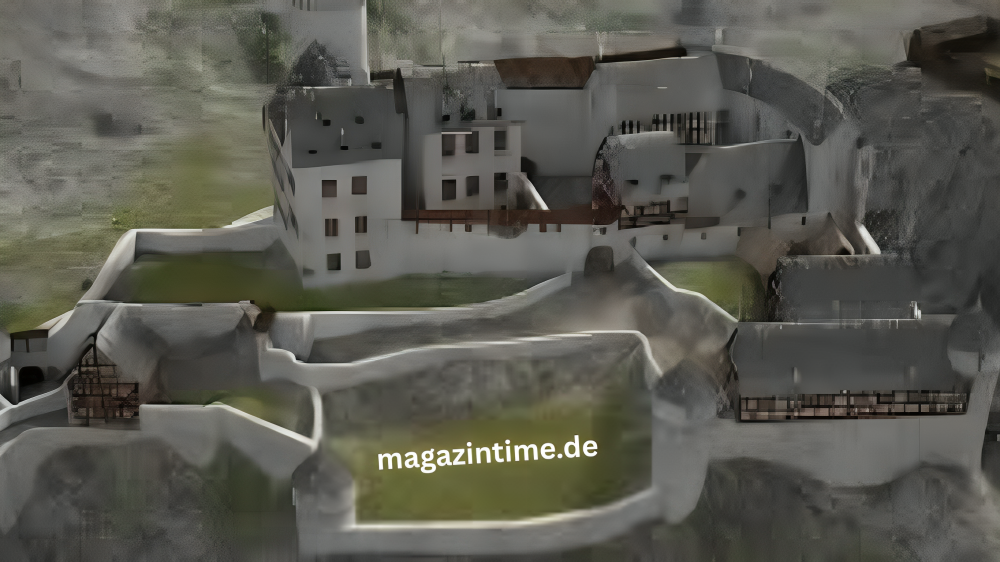
When it comes to architecture, burg eppstein is a feast for the eyes, blending medieval might with thoughtful restoration that keeps its charm alive. The castle’s design reflects its dual role as a fortress and residence, with impressive defensive systems from the 14th and 15th centuries. Picture this: a core castle (Kernburg) encircled by high walls, a towering bergfried (keep), and a protective moat that once deterred any would-be attackers. The outer castle (Vorburg) housed economic buildings, while sloped “Zwingen” areas added extra barriers.
Key features include the bergfried, mostly medieval with a modern upper section, offering a platform for stunning 360-degree views. The palace, dating back to the 13th and 16th centuries, and the kemenate from 1500, showcase living quarters that hint at luxurious past lives. Access via the west gate leads through a porter’s house, past the outer castle, and into the inner sanctum. Don’t miss the “Bettelbub” flank tower with its eerie dungeon—it’s a reminder of the castle’s tougher side.
What’s optimistic about all this? Despite partial demolition in the 19th century, ongoing preservation has revived these marvels, allowing us to appreciate their engineering genius. A model in the museum recreates burg eppstein circa 1500, helping visitors visualize its full glory. In short, the architecture isn’t just surviving; it’s thriving, inviting everyone to marvel at how history’s blueprints can inspire modern awe.

Burg Eppstein (2026) – All You Need to Know BEFORE You Go (with …
The Decline and Ruins of Burg Eppstein
Every story has its twists, and for burg eppstein, the decline came like a slow fade after centuries of splendor. By the late 15th century, financial woes forced the Lords of Eppstein to sell half the castle in 1492 to the Landgraves of Hesse, who fortified their portion until around 1600. After the family’s extinction in 1535, the eastern half shifted to the Counts of Stolberg-Wernigerode and then the Archbishopric of Mainz in 1581. A coat-of-arms stone from Archbishop Johann Adam (+1604) still marks this era.
The real downturn hit in 1803, when burg eppstein fell under the Duchy of Nassau amid Germany’s reorganization. From 1804 to 1823, demolition ensued—the western half was stripped for building materials, leaving ruins overgrown with vegetation. An 1817 watercolor captures this sad split: destroyed west versus intact east. Yet, here’s the optimistic turn—by 1905, clearance and restoration began, turning decay into opportunity.
In 1929, the Princes of Stolberg-Wernigerode donated the site to the city of Eppstein, sparking a revival. Today, the ruins aren’t mournful; they’re vibrant, with supported walls and accessible paths. This phase shows resilience—burg eppstein rose from near oblivion, proving that even in decline, there’s room for rebirth and appreciation.
The Burgmuseum: A Window to the Past
Step into the Burgmuseum at burg eppstein, and you’ll feel like you’ve unlocked a treasure chest of medieval wonders—it’s the heart of the castle’s educational appeal. Housed in the preserved eastern wing, the museum vividly recounts the site’s 1000-year history through engaging exhibits. From knightly armor that kids can almost touch to panels on romantic ruin enthusiasm, it’s designed to spark curiosity across ages.
Highlights include a detailed model of burg eppstein around 1500, showing the full layout before demolitions. Twenty info panels in German and English dot the grounds, while a rentable multimedia guide offers deeper dives. For a thrill, climb the bergfried to a watchtower room with a virtual reconstruction—it’s like time travel! The dungeon’s “Bettelbub” installation adds a spooky yet informative twist.
Optimistically, the museum bridges past and present, making history accessible and fun. It’s not stuffy; interjections like “wow” moments abound, especially for families. Booklets in multiple languages ensure inclusivity. In providing this window, the Burgmuseum elevates burg eppstein from mere ruins to an enlightening destination, helping visitors connect with heritage in meaningful ways.
Cultural Events at Burg Eppstein
Burg eppstein isn’t content to sit quietly—it’s a bustling stage for cultural events that breathe new life into its ancient stones, fostering community and joy. The Burgfestspiele, the oldest open-air theater in the Rhein-Main area since 1913, steals the show with professional productions and local actors. Imagine watching “The Downfall of the House of Eppstein” under the stars; it’s pure magic!
Other happenings include guided tours for all ages, children’s birthday parties with knightly themes, and seasonal festivals that draw crowds. The castle hosts private events too, like weddings, adding a romantic flair. These gatherings aren’t just entertainment; they honor the site’s heritage while creating fresh memories.
What’s truly uplifting? These events keep burg eppstein relevant, blending history with modern creativity. Whether it’s music, theater, or historical reenactments, they invite participation, turning visitors into part of the story. In a nutshell, the cultural vibrancy ensures that burg eppstein remains a dynamic gem, full of optimistic energy for the future.
Planning Your Visit to Burg Eppstein
Ready to explore burg eppstein? Planning is a breeze, and the rewards are immense—this spot offers an optimistic escape that’s easy on the wallet and soul. Open from April to October (closed Mondays; Tuesdays 10am-5pm, Wednesdays to 6pm, Thursdays-Sundays 10am-5pm), and weekends in winter (12pm-3pm, plus December 26). Admission is 5 euros for adults, 2.50 for kids/students—cash only, supporting preservation.
Reach it by train from Frankfurt (30 minutes, half-hourly), then a 10-minute uphill walk from Eppstein station. Wear comfy shoes for stairs; it’s not fully accessible for mobility issues. Check for events, as they might close parts. Inside, enjoy clean restrooms and a playground below.
Tips from visitors: Go afternoons for museum access; weekdays for peace. Combine with hikes or the Kaiser Temple for wider views. No nearby eateries, so pack snacks. With 4.1/5 ratings, folks rave about views but note the small size—perfect for a half-day. Burg eppstein awaits, promising helpful insights and unforgettable moments!
| Aspect | Details |
|---|---|
| Opening Hours (Apr-Oct) | Tue: 10am-5pm; Wed: 10am-6pm; Thu-Sun: 10am-5pm; Closed Mon |
| Opening Hours (Nov-Mar) | Sat-Sun: 12pm-3pm; Also Dec 26: 12pm-3pm |
| Admission Fees | Adults: €5; Children/Students: €2.50; Free for members/school groups |
| Best Time to Visit | Afternoons on weekdays for fewer crowds and open museum |
| Accessibility | Stairs involved; not ideal for wheelchairs; comfortable shoes recommended |
Exploring the Surrounding Taunus Region
Burg eppstein doesn’t stand alone—it’s the crown jewel of the Taunus region, a verdant paradise that invites further adventure and optimism. The town of Eppstein itself boasts half-timbered houses, cobblestone streets, and the Eppstein stream for serene strolls. Nearby, Bremthal and Vockenhausen, founded by the Lords, offer glimpses into medieval manufacturing heritage.
Hike the Taunus trails for fresh air and views; the mountains provide a natural playground. Wiesbaden, just 12km away, adds urban flair with spas and shops. Frankfurt’s buzz is a quick train ride. This area exemplifies balanced living—history meets nature seamlessly.
Optimistically, exploring around burg eppstein enriches your trip, showing how one site connects to a broader tapestry. Whether picnicking in forests or visiting local churches, it’s all about discovery. Burg eppstein serves as your gateway, encouraging endless positive explorations in this hidden German gem.
Conservation and Future of Burg Eppstein
The future of burg eppstein shines bright, thanks to dedicated conservation efforts that turn challenges into triumphs. Since 1905, clearance and restorations have revived the site, supported by the city, Main-Taunus-Kreis, Hessian heritage office, banks, and the Burgverein Eppstein association. These partnerships ensure ongoing maintenance, from stabilizing walls to enhancing exhibits.
Renovations address wear from time and weather, while eco-friendly practices preserve the surrounding greenery. The optimistic outlook? Burg eppstein is set to thrive as an educational and cultural hub, with plans for more interactive features and sustainable tourism.
This commitment reflects trust in heritage’s value—visitors leave inspired, knowing their fees aid preservation. In the end, the conservation story of burg eppstein proves that with care, historical treasures can endure, offering hope for generations to come.
Fazit
In wrapping up, burg eppstein stands as a remarkable blend of history, culture, and natural beauty that continues to inspire. From its legendary roots and architectural splendor to vibrant events and thoughtful preservation, this castle ruin embodies resilience and joy. Whether you’re climbing its tower for those unbeatable views or delving into the museum’s tales, burg eppstein offers an uplifting journey that connects us to the past while looking forward with optimism. It’s more than a destination; it’s a reminder that great stories, like this one, never truly end—they evolve, inviting us all to be part of them.
FAQs
What is the best time to visit burg eppstein?
The ideal time is during spring or summer afternoons when the weather is pleasant, the museum is open, and crowds are lighter on weekdays. This allows full access to exhibits and events.
How much does it cost to enter burg eppstein?
Admission is €5 for adults and €2.50 for children, students, or school groups. It’s cash only, and the fee supports ongoing preservation efforts.
Is burg eppstein suitable for families with children?
Absolutely! With a playground at the base, knight-themed exhibits, and interactive tours, it’s engaging for kids. However, note the stairs might challenge very young ones or those with mobility issues.
Can I attend events at burg eppstein?
Yes, events like the Burgfestspiele open-air theater run in summer. Check the official website for schedules, as they add a fun, cultural layer to your visit.
What should I know about accessibility at burg eppstein?
The site involves uphill walks and stairs, so it’s not fully wheelchair-friendly. Comfortable shoes are a must, but the views and history make it worthwhile for most visitors.