








Nestled in the vibrant, ever-changing neighborhood of Mitte, the Goethe-Institut Berlin stands as the flagship and global headquarters of Germany’s most respected cultural institution. For anyone dreaming of mastering the German language, diving deep into contemporary German society, or simply experiencing the real Berlin beyond the tourist trail, this is where it all begins. Whether you’re a complete beginner or an advanced learner aiming for that coveted C2 certificate, the Goethe-Institut Berlin offers an unmatched combination of academic excellence, cultural immersion, and that unmistakable Berlin energy.
A Brief History That Still Shapes the Present
Founded in 1951 as the very first Goethe-Institut worldwide, the Berlin location has always been more than just a language school. Right from the start, its mission was bold: rebuild cultural relations after the Second World War through language and mutual understanding. Interestingly, the institute reopened in Munich first, but by 1991 – shortly after the Wall fell – the headquarters proudly moved back to Berlin.
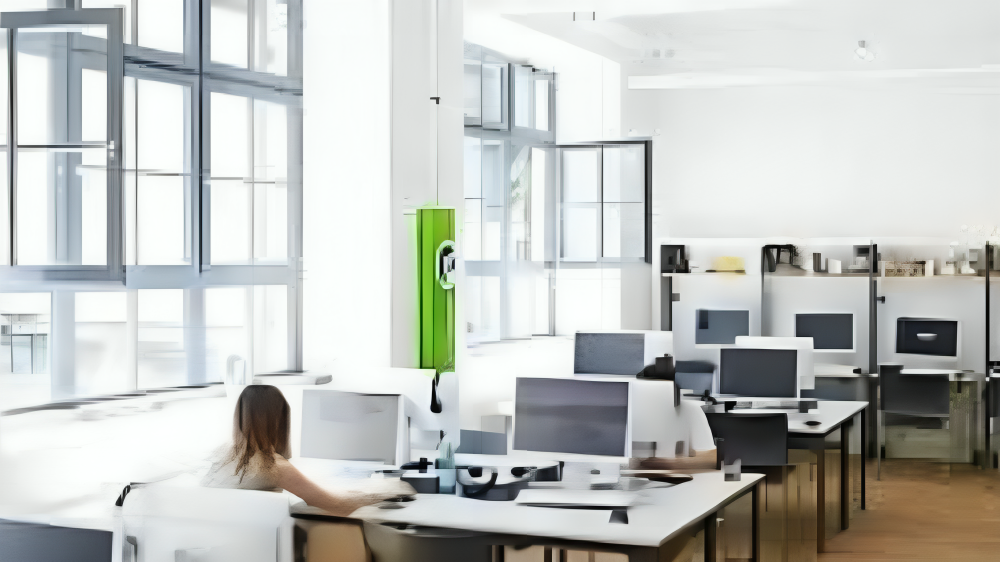
Walking through the light-flooded building on Neue Schönhauser Straße today, you can almost feel that post-reunification optimism still lingering in the air. Glass walls, modern art exhibitions in the foyer, and students from over 90 countries chatting in one place – it’s living proof that the original idea worked better than anyone dared hope.
The Campus: Modern, Central, and Surprisingly Green
Located just a five-minute stroll from Hackescher Markt, the Goethe-Institut Berlin enjoys one of the best spots in the city. Yet despite being smack in the middle of trendy boutiques and buzzing cafés, the institute itself feels like a calm oasis.
Key features of the location:
- A bright, recently renovated six-storey building with floor-to-ceiling windows
- Rooftop terrace with views over Berlin’s iconic TV tower
- In-house library with more than 20,000 German-language books, magazines, films, and digital media
- Cafeteria serving fair-trade coffee and homemade German cakes (the Apfelstrudel is legendary)
- Quiet courtyard garden – perfect for reviewing vocabulary between classes
Language Courses for Every Goal and Every Level
Ask any former student what makes the Goethe-Institut Berlin special, and nine out of ten will say: the teachers. Highly qualified, overwhelmingly native speakers, and famous for turning even grammar lessons into lively discussions.
The course portfolio is enormous:
| Course Type | Duration | Intensity | Best For |
|---|---|---|---|
| Intensive German | 4–8 weeks | 20–25 lessons/week | Fast progress, visa students |
| Evening Courses | 8–12 weeks | 2 evenings/week | Berlin residents & working professionals |
| Super Intensive | 2–4 weeks | 30+ lessons/week | Maximum progress in minimum time |
| Exam Preparation | 4 weeks | Focused | TestDaF, Goethe-Zertifikat C2, telc C1 Hochschule |
| German for Professionals | Flexible | Tailor-made | Doctors, lawyers, engineers, academics |
| Online + On-site Hybrid | Ongoing | Mix | Those who travel frequently |
All courses follow the Common European Framework of Reference for Languages (CEFR) and finish – if desired – with the world-renowned Goethe-Zertifikat, accepted by universities and employers worldwide.
More Than “Kultur” Than You Can Shake a Bratwurst At
Language without culture is like Schnitzel without sauce – technically edible, but where’s the joy? That’s why every week the Goethe-Institut Berlin offers an astonishing cultural programme that’s mostly free for students.
Just a few highlights from recent months:
- Film nights with classics by Fassbinder and new releases by young Turkish-German directors
- Guided “Third Reich & Cold War” walking tours led by historians
- Poetry slams in German (yes, you can even perform!)
- Concerts ranging from Bach to Berlin techno pioneers
- Cooking workshops: Sauerbraten, Spätzle edition
- Exhibitions by contemporary German artists in the institute’s own gallery space
These events aren’t an afterthought – they’re baked right into the curriculum. Your teacher might assign you to interview visitors at an exhibition and write a short report. Suddenly homework feels exciting!
The Library and Media Centre: A Hidden Gem
Step into the third-floor library and you’ll understand why many Berliners have “fake” student cards just to use it. Seriously – it’s that good.
What you’ll find:
- Latest German novels before they hit bookstores
- Every major German newspaper and magazine in print and digital
- Thousands of German-language films and series with subtitles option
- Quiet study carrels with power sockets and perfect lighting
- Friendly librarians who love recommending books suited exactly to your level
Examination Centre of Excellence
The Goethe-Institut Berlin isn’t just any exam centre – it’s the largest and most experienced in the entire network. Every month thousands of candidates sit exams here, from A1 for family reunification visas to the prestigious Goethe-Zertifikat C2 Großes Deutsches Sprachdiplom.
Fun fact: Because the headquarters develop the exams, Berlin often pilots new formats. That means the staff know every detail inside out and can give you tips you won’t find anywhere else.
Accommodation Options That Actually Feel Like Home
Worried about finding a place in Berlin’s crazy housing market? Relax – the institute’s housing service has your back.
Popular choices booked through the Goethe-Institut:
- Carefully selected host families (breakfast included, lots of speaking practice!)
- Student residences within 30 minutes by public transport
- Shared flats (WGs) with young Berliners – the real immersion experience
- Private studios for those who treasure privacy
Prices remain fair, and every place is personally inspected by the accommodation team.
Life as a Student in Berlin-Mitte: Expect the Unexpected
Living and studying at the Goethe-Institut Berlin means your classroom stretches across the entire city. One day you’re debating politics in class, the next you’re watching the same topic argued in the Bundestag gallery (tours are regularly organised).
Students repeatedly say the same thing: “I came for German. I left with 50 new friends from 30 countries and a totally different view of the world.”
Sustainability and Social Responsibility
Long before it was trendy, the Goethe-Institut Berlin switched to 100 % green electricity, banned single-use plastics, and started a bike rental programme for students. There’s even an urban gardening project on the roof where learners grow herbs used in the cafeteria.
Fazit
After more than seventy years, the Goethe-Institut Berlin hasn’t just kept up with the times – it continues to set the global standard for German language education and cultural exchange. Outstanding teachers, perfect location, unbeatable exam expertise, and a cultural programme that turns every learner into a temporary Berliner – all of this wrapped in an atmosphere that’s professional yet warm, ambitious yet relaxed.
If you’re serious about German – whether for study, work, love, or pure curiosity – there’s simply no better place to be. As thousands of alumni will happily tell you: once you’ve studied at the Goethe-Institut Berlin, every other language school feels like a compromise.
FAQs
1. How much does a four-week intensive course at the Goethe-Institut Berlin cost in 2025?
Current prices start at approximately €1,296 for a standard intensive course (20 lessons/week). Exam fees, textbooks (€30–50), and accommodation are extra. Always check the official website for the latest rates and early-bird discounts.
2. Can I get a student visa for courses at the Goethe-Institut Berlin?
Yes! Intensive courses of at least 18 lessons/week qualify for a language course visa, and longer programmes can lead to a student visa. The institute’s visa department helps with every document.
3. Is Berlin safe for international students?
Absolutely. Berlin is one of Europe’s safest capital cities. The area around the institute (Mitte) is lively day and night and heavily frequented by tourists and locals alike.
4. I’m over 50 – will I feel out of place?
Not at all! About 20–25 % of students are 30+, and many courses have participants in their 40s, 50s, and beyond. Several senior-specific courses and activities exist too.
5. Can I work part-time while studying at the Goethe-Institut Berlin?
With a student visa you’re allowed to work 120 full days or 240 half days per year. Many students work in cafés, as language tutors, or at trade fairs – the institute’s job board is very active.